The king’s speech
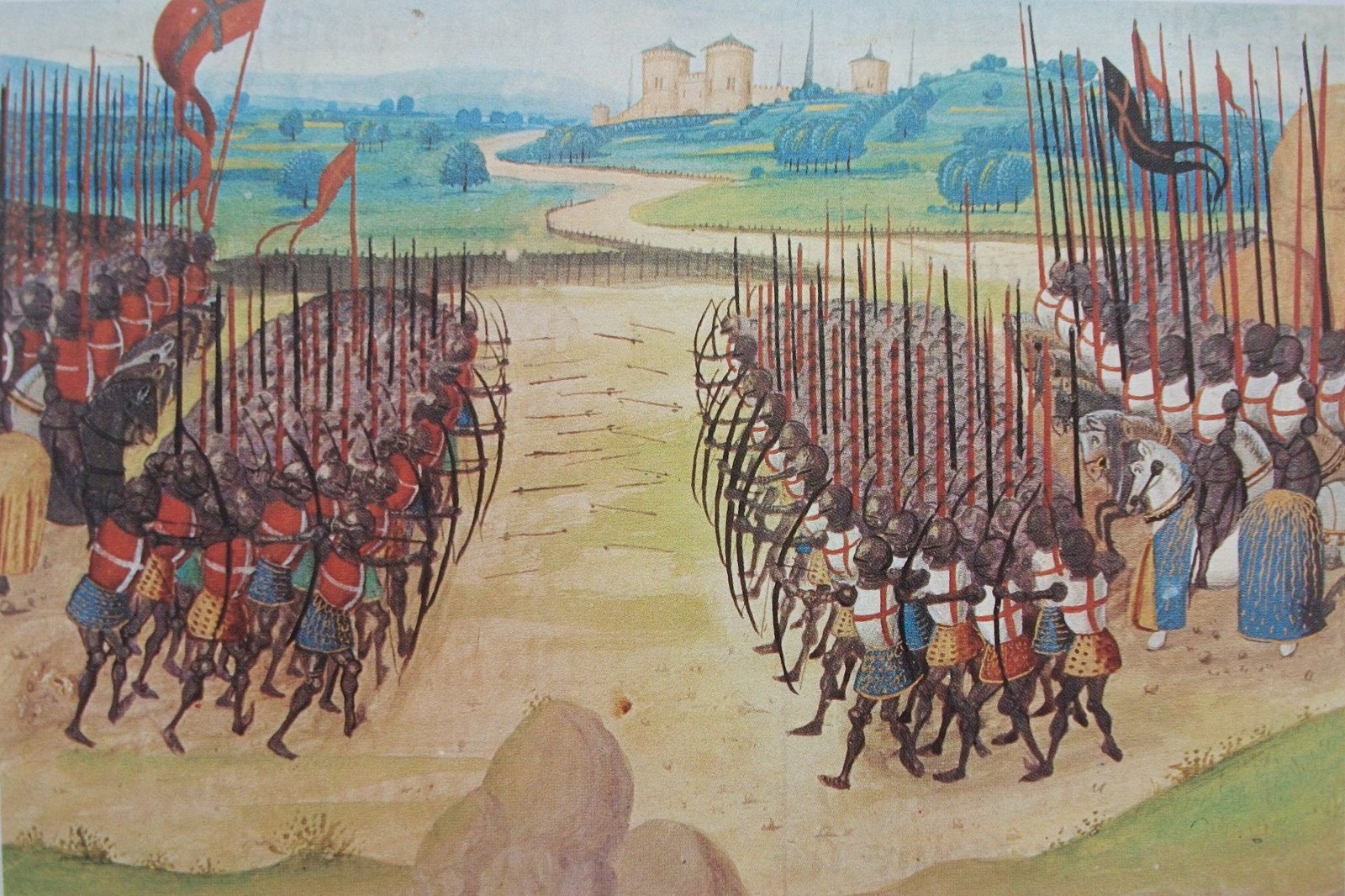
On 25 October 1415, near the village of Agincourt in northern France, King Henry V of England fought a French army much larger than his own. His men had marched for weeks. Many were sick. Most of them were not knights but archers: farmers, shoemakers, labourers. The English won, and the battle became one of the most famous in English history.
In 1599 William Shakespeare gave Henry a speech before the battle. It is still recited by actors, coaches and generals. In 2019 the film The King, directed by David Michôd, told the story again with Timothée Chalamet as Henry and Joel Edgerton as his old friend . The film does not use Shakespeare’s words. It writes its own speech. But it adds something Shakespeare never showed: a soldier who sees exactly what the speech is doing.
Falstaff’s advice
Before the battle, Falstaff tells Henry what the men need. They deserve the king’s confidence: to be trusted with the truth. And if Henry cannot give them that?
Think and write. Falstaff offers Henry two choices. Name both in your own words. Which one is harder for a king to give, and why?
A reason
- Answers why are we fighting?
- Answers what will we win?
- Can be checked: is it true? is it just?
- Speaks to the mind.
A speech
- Answers how should I feel?
- Offers glory, brotherhood, love of home.
- Threatens shame.
- Speaks to the heart, and works fast.
Watch: the speech before Agincourt
Shakespeare’s version, 1599
Now read three short pieces of the speech Shakespeare wrote. The battle took place on the , the patron saints of shoemakers: a craftsmen’s holiday, something like a Labour Day. Henry turns the working man’s holiday into a holiday for soldiers.
How to read it: read it aloud, slowly. Tap any underlined word. A dotted line is a hard word; a solid red line is a name or a reference.
dotted = word · solid = reference
This day is called the feast of : He that outlives this day, and comes safe home, Will stand a tip-toe when the day is named, And rouse him at the name of Crispian. He that shall live this day, and see old age, Will yearly on the his neighbours, And say ‘To-morrow is Saint Crispian:’ Then will he and show his scars. And say ‘These wounds I had on Crispin’s day.’
[Henry says old men forget everything, but this man will remember the battle, , and the king’s name will be as familiar in his mouth as household words.]
We few, we happy few, we band of brothers; For he to-day that sheds his blood with me Shall be my brother; be he ne’er so , This day shall his :
And gentlemen in England now Shall think themselves they were not here, And whiles any speaks That fought with us upon Saint Crispin’s day.
Afterwards: the reason that wasn’t there
Spoiler for the end of the film. Falstaff does not survive the battle. Watch Henry find his body.
In The King, Henry went to war because of insults and an attempt on his life that seemed to come from France. After the battle he learns that his own adviser, , arranged them to push him into the war. There was never a reason. There was only the speech. Falstaff’s smile was right, and he did not live to see it proved.
Study questions
Your answers save in this browser. After you write an answer, you can compare it with a sample answer. Quote line numbers from Shakespeare.