Comparative literature · 1922 and 1926
The Waste Land & The Sun Also Rises
A poem and a novel written in the years after the First World War. Both describe a world that has been wounded and cannot heal. Both use an old story to say it: the Fisher King.
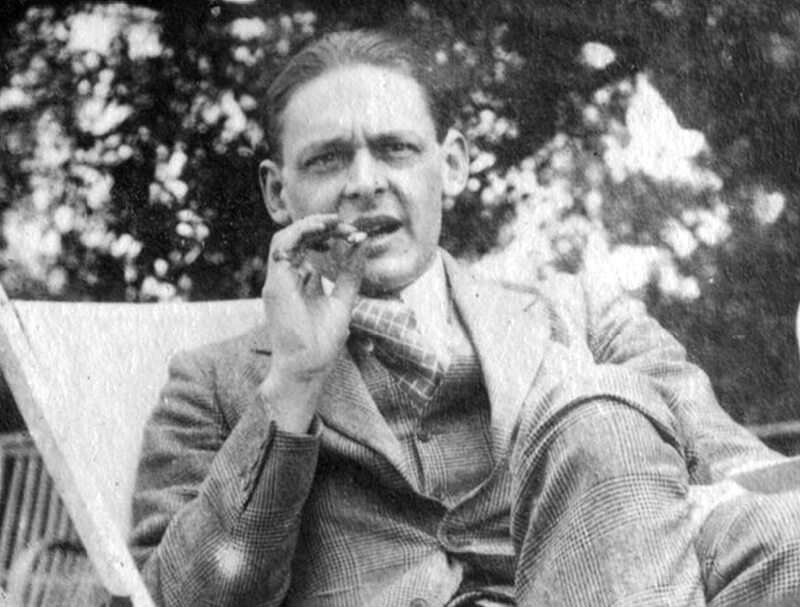
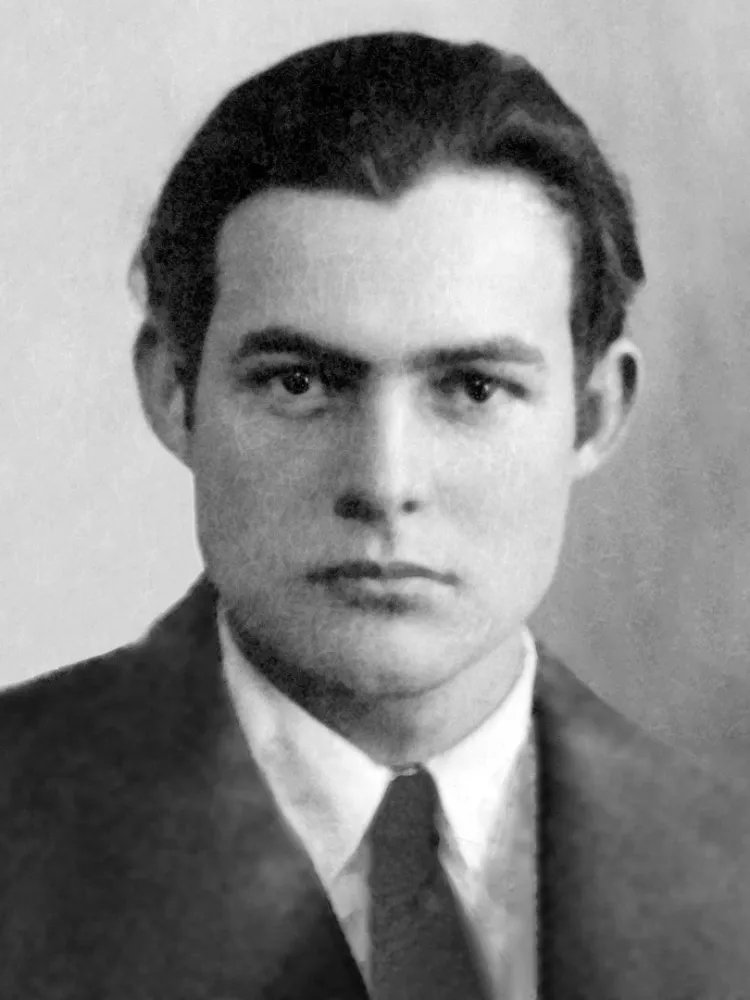
T. S. Eliot published The Waste Land in 1922. Ernest Hemingway wrote The Sun Also Rises in 1925, and it was published in October 1926. You will listen to the poem, learn the myth, then read the novel chapter by chapter. As you read, you will collect passages in a notebook. At the end, your notebook becomes a comparative essay.
How your notes work
- ✦ hint marks a passage that connects to the Fisher King. Tap it and it is saved to your notes, with a question to think about.
- When you find something yourself, select the words and press Save to notes. Choose a theme.
- The hints get fewer as the novel goes on. By the end, you find the evidence on your own.
- Your notebook sorts everything by text and theme. The essay builder lets you insert your notes as quotations.
Your notes stay saved in this browser. Send them to your teacher from the notebook page.
Part 1
The Waste Land
- StartListen to the whole poemThe full reading, the epigraph, and your first impressions.
- IThe Burial of the DeadLines 1–76 · spring in a dead land, a fortune-teller, the Unreal City.4:48
- IIA Game of ChessLines 77–172 · a rich woman’s room and two women in a London pub.5:17
- IIIThe Fire SermonLines 173–311 · the river Thames, Tiresias and the typist, burning.7:22
- IVDeath by WaterLines 312–321 · Phlebas the Phoenician.0:37
- VWhat the Thunder SaidLines 322–433 · no water, the empty chapel, and the thunder speaks.to the end
Part 2
The bridge
- MythThe Fisher KingThe wounded king, the dead land, and the question that heals. How Eliot uses him, and where to look for him in Hemingway.
- FriendEzra Pound: the man who knew everyoneThe poet who edited Eliot and taught Hemingway. Read his best short poems, then see how the two friends ended up on opposite sides of the war.2 questions
Part 3
The Sun Also Rises
Read one chapter at a time. Chapter 1 starts with the two quotations Hemingway put at the front of the book.
Part 4