Classic English The Impostor’s Ordeal
Comparative literature · Paris 1885 and New York 1925

Two impostors
at the top of the world
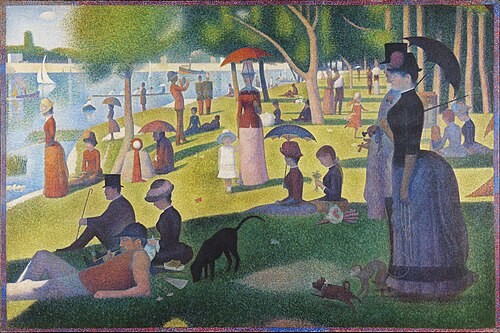
Parisians in their Sunday clothes on a riverbank, painted in small dots of colour
Georges Seurat, A Sunday on La Grande Jatte, 1884–86
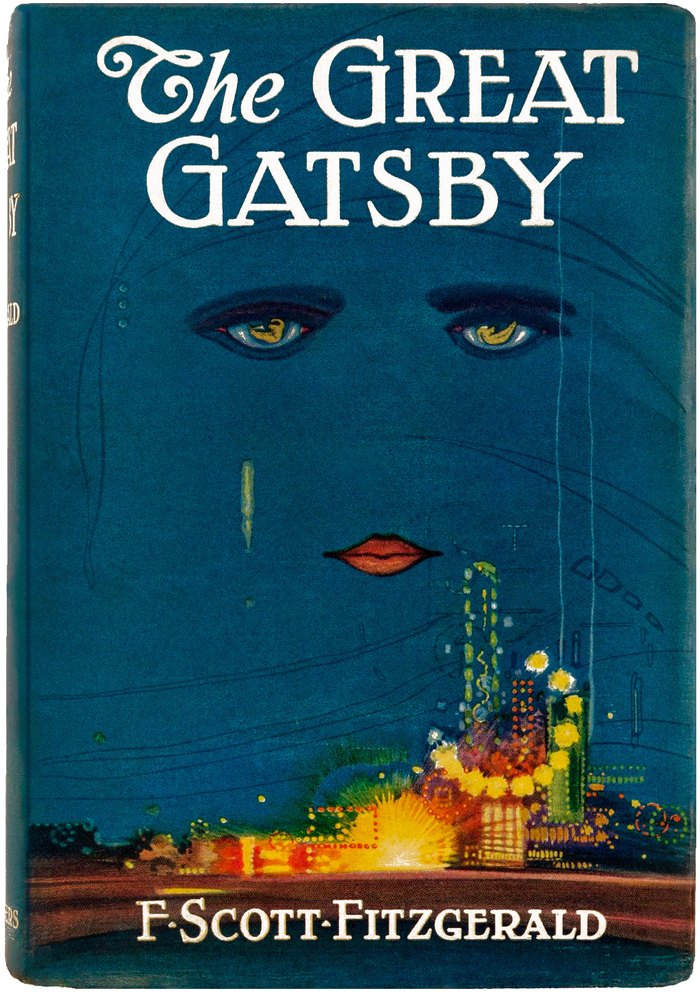
First-edition cover of The Great Gatsby: a woman’s face above the lights of a city at night
First edition of The Great Gatsby, 1925

Georges Duroy is the son of peasant innkeepers from Normandy. He arrives in Paris with almost no money and an old soldier’s moustache. By the last page of Guy de Maupassant’s he has a noble-sounding name, a fortune, the richest girl in Paris as his wife, and his eyes on parliament.

James Gatz is the son of farmers from North Dakota. He invents a new man, Jay Gatsby, with a mansion on Long Island and parties that all New York attends. By the last pages of F. Scott Fitzgerald’s The Great Gatsby he is dead in his own swimming pool, and almost no one comes to his funeral.

Both men are . Both climb into a society that was not made for them. Why does one win and the other lose?

“Can’t repeat the past? Why of course you can!”
This lesson asks what drives the outsider’s , and why the same climb ends in triumph in one book and in death in the other.

The lesson in four parts

  1. The two climbersDuroy and Gatsby side by side: where they start, how they climb, what they want, how they end.
  2. The ordeal of civilityJohn Murray Cuddihy’s idea: the newcomer must learn manners he does not own, and the test breeds resentment.
  3. Caste, race and bloodNorman peasants, Frankish nobles and Gobineau; Irish Catholics, Nordic theory and Wolfsheim. With excerpts from Gobineau’s Essay.
  4. Mirrors and a written essayFive moments of self-invention, read closely, and the final essay question.

Read the novels

  1. Bel-AmiMaupassant’s novel in English, 18 chapters, with hard words and names marked.
  2. The Great GatsbyFitzgerald’s novel, 9 chapters, with hard words and names marked.

The question

Duroy despises the society he enters and wins it. Gatsby worships the society he enters and is destroyed by it. Duroy resents people and takes revenge on them. Gatsby resents time: he wants to undo five years and marry Daisy as if nothing had happened.

A class barrier can sometimes be crossed by performance. Can a barrier of birth, of “race,” be crossed the same way? Read Part 1 first, with both novels open beside you.