The mother and the queen
In Parts 1 and 2 the speech had little or no reason behind it. Ireland is harder. In 1902 the whole of Ireland was ruled from London, and had been for centuries. Many Irish people wanted their own government; some believed it could only be won with guns. Here there was a real cause. So the question changes: when the cause is real, is the beautiful speech still a trick?
Cathleen ni Houlihan, 1902
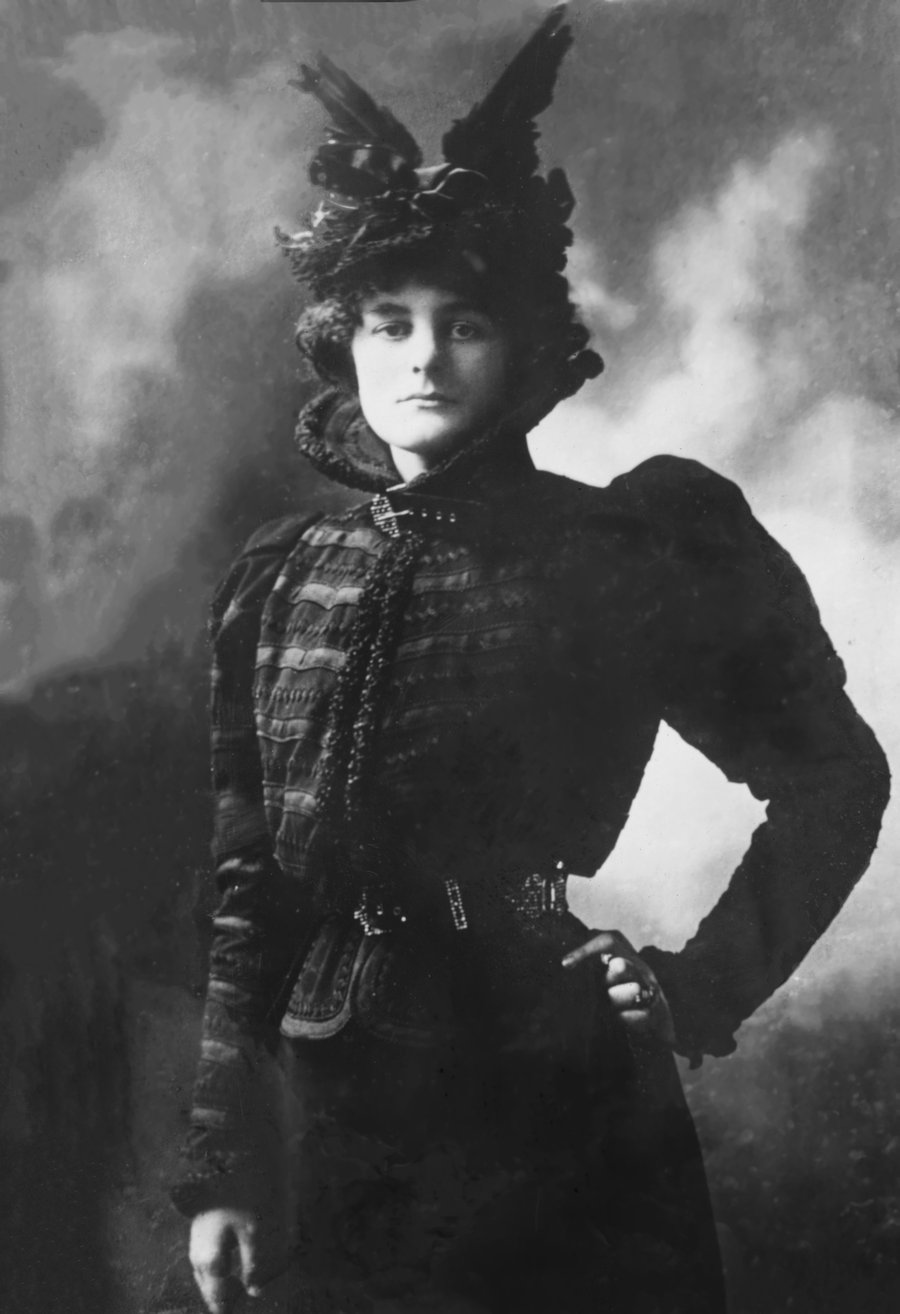
This short play by W. B. Yeats and Lady Augusta Gregory was first performed in Dublin in April 1902. It is set in a farmhouse in the west of Ireland in . A young man, Michael, is about to be married. A poor old woman comes to the door. She says strangers have taken her “four beautiful green fields.” She is : Ireland herself. By the end, Michael leaves his bride to follow her to the rebels, and almost certainly to his death.
Here is what she offers the men who follow her.
It is they take that help me. […] They that have red cheeks will have pale cheeks for my sake, and for all that, they will think they are .
[Before this she lists the cost: young men sent to walk hard streets in far countries, money never spent, children born with no father at the to give them a name. Then she sings:]
They shall be remembered for ever, They shall be alive for ever, They shall be speaking for ever, The people shall hear them for ever.
[Michael runs out after her. His family asks his young brother if he saw an old woman on the road.]
I did not, but I saw a young girl, and she had .
Patrick Pearse, “The Mother,” 1916
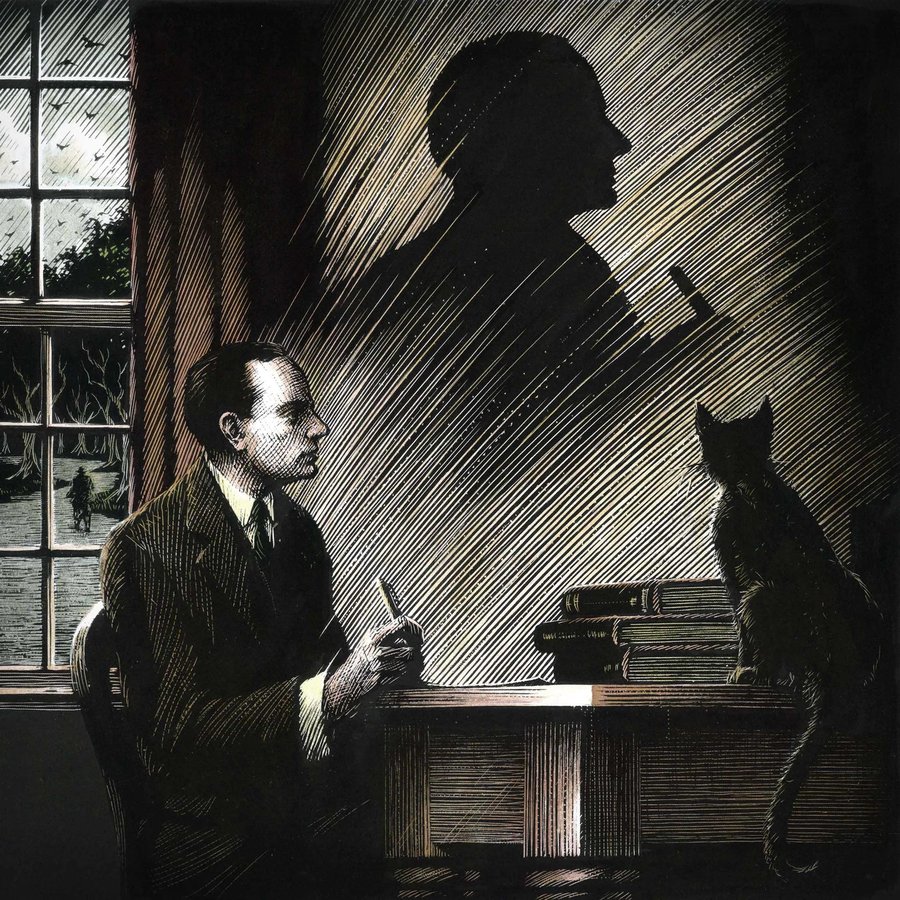
Patrick Pearse was a schoolteacher and a poet. He believed that Ireland would only wake up if young men gave their blood for it. At the grave of the old rebel in 1915 he ended his speech: “Ireland unfree shall never be at peace.”
At Easter 1916 Pearse led in Dublin. It failed in six days. Pearse surrendered and was sentenced to death. He was shot on 3 May 1916. This poem is in the voice of his own mother, mourning “two strong sons.” It is usually said that he wrote it in prison, in his last days, not knowing yet that his younger brother Willie, who had fought beside him, would also be shot. Willie was shot the next morning.
I do not them: Lord, I do not grudge My two strong sons that I have seen go out To break their strength and die, they and a few, In bloody for a glorious thing, They shall be spoken of among their people, The generations shall remember them, And call them blessed; But I will speak their names to my own heart In the long nights; The little names that were familiar once Round my dead . Lord, thou art hard on mothers: We suffer in their coming and their going; And tho’ I grudge them not, I , weary Of the long sorrow—And yet I have my joy: My sons were faithful, and they fought.
Afterwards. Pearse was right that the executions would change Ireland: in the 1918 general election the rebels’ party, Sinn Féin, won 73 of Ireland’s 105 seats, and after a war of independence (1919–1921) most of Ireland became self-governing in 1922. Many years later, Yeats wrote a poem in which he asked himself whether his play had sent out young men to be shot by the English.
Study questions
Your answers save in this browser. Quote line numbers from “The Mother.”