The poet‑spy and his teacher
Two men who loved English literature, drank together, and trusted each other. One spent his life hunting Soviet spies. The other was one. This page tells their story in order. As you read, keep the poem open in another tab: you will need it for the questions.
A student of poems
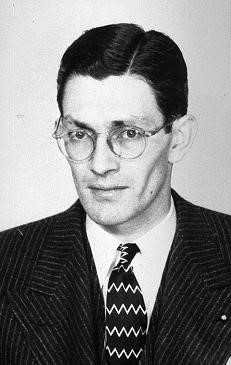
James Angleton was born in Boise, Idaho, in 1917 and grew up largely in Italy, where his father ran a business. He went to school in England and entered Yale in 1937 to study English literature. His roommate, the poet Reed Whittemore, showed him Eliot’s “Gerontion.” Angleton loved it, and it stayed his favourite poem for life.
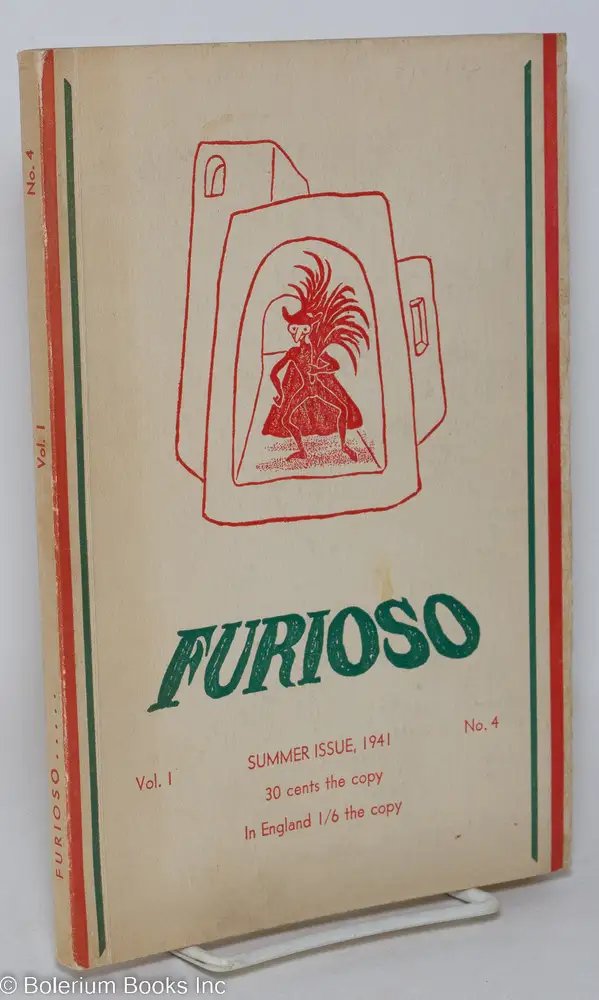
In 1939 the two students started a poetry magazine, . Angleton wrote to Ezra Pound and printed the modernist poets his professors were teaching. At Yale, the way to read a poem was the method later called : read slowly, trust nothing on the surface, and look for words that mean two things at once. Part 4 asks whether that habit made him a better spy, or a worse one.
Learning the trade in London
In 1943 Angleton joined the US Army. A Yale English professor, Norman Holmes Pearson, recruited him into the OSS, America’s wartime spy service, and sent him to London to work in , its branch. There the British taught the young Americans how to catch spies, and how to feed false information to the enemy through captured agents. One of the British officers in that world was Harold “Kim” Philby: charming, clever, a rising star of the Secret Intelligence Service (MI6). Angleton admired him.
Philby was already a Soviet agent. He had been recruited by Soviet intelligence in 1934, before the war began.
Lunch in Washington
In September 1949 Philby arrived in Washington as MI6’s to the CIA and FBI. Angleton, now a senior CIA officer, met him for long, drink‑heavy lunches. Afterwards Angleton dictated notes on what they had discussed. Nobody knows exactly what Angleton told Philby at those tables. What is certain is that Philby passed what he learned in Washington to Moscow.
In May 1951 two British diplomats, Guy Burgess and Donald Maclean, fled to Moscow. Burgess had been living in Philby’s house in Washington. Suspicion fell on Philby as the “third man” who had warned them. He was recalled to London and forced out of MI6 that summer, but nothing was proved, and some friends defended him for years.
In January 1963 Philby disappeared from Beirut and reappeared in Moscow. Now everyone knew. For Angleton, every lunch, every shared secret, every friendly conversation since 1944 had to be read again, as a possible lie.
Chief of counterintelligence
From 1954 to 1974 Angleton ran the CIA’s Counterintelligence Staff. His job was to find Soviet and to judge whether Soviet were real. He grew orchids, fished, wrote almost nothing down, and trusted almost no one. He described the world of Soviet deception, using Eliot’s line, as a “wilderness of mirrors.” Admirers called him a genius. Critics called him . Part 3 shows why both sides could be right.
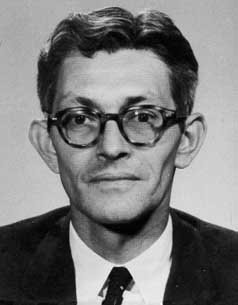
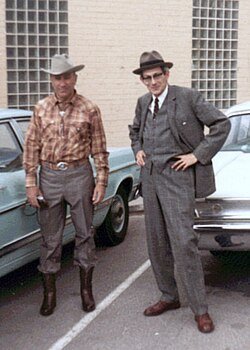
In December 1974, after a New York Times report by Seymour Hersh on illegal CIA spying inside the United States, CIA Director William Colby removed him. Angleton retired on Christmas Eve, 1974.
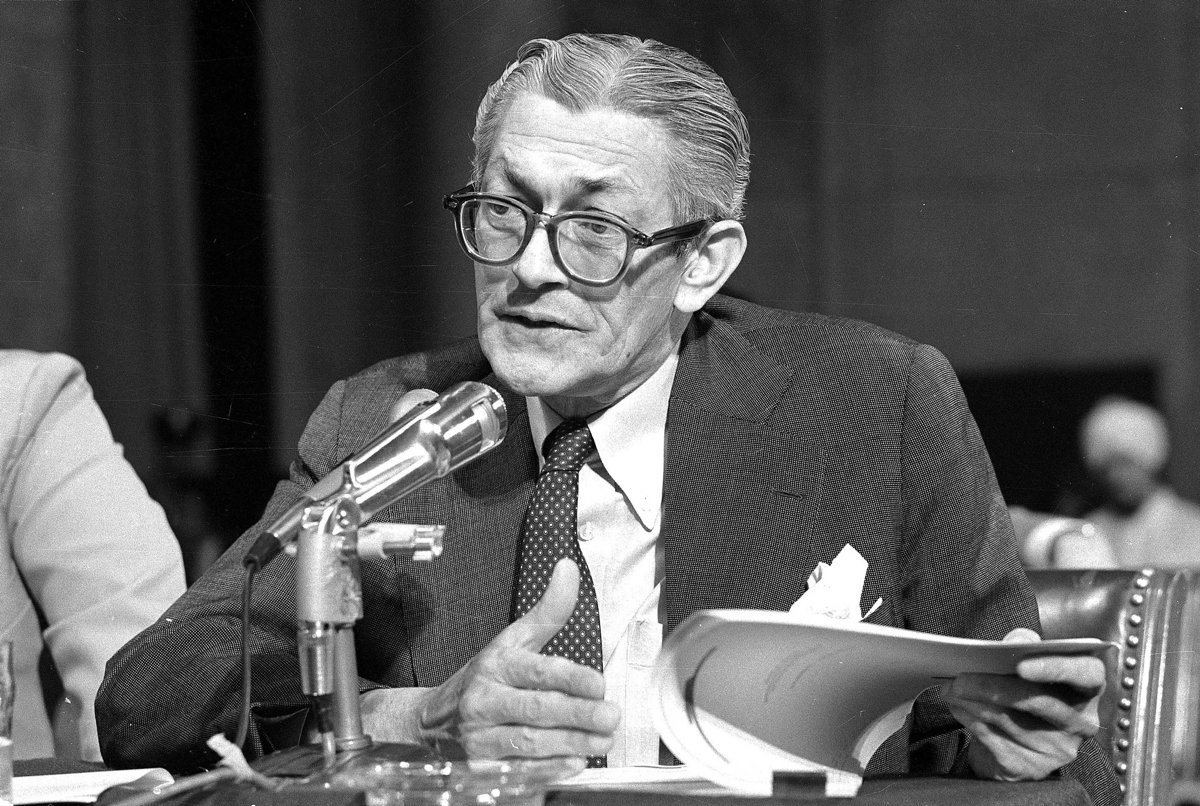
The same day, one year apart
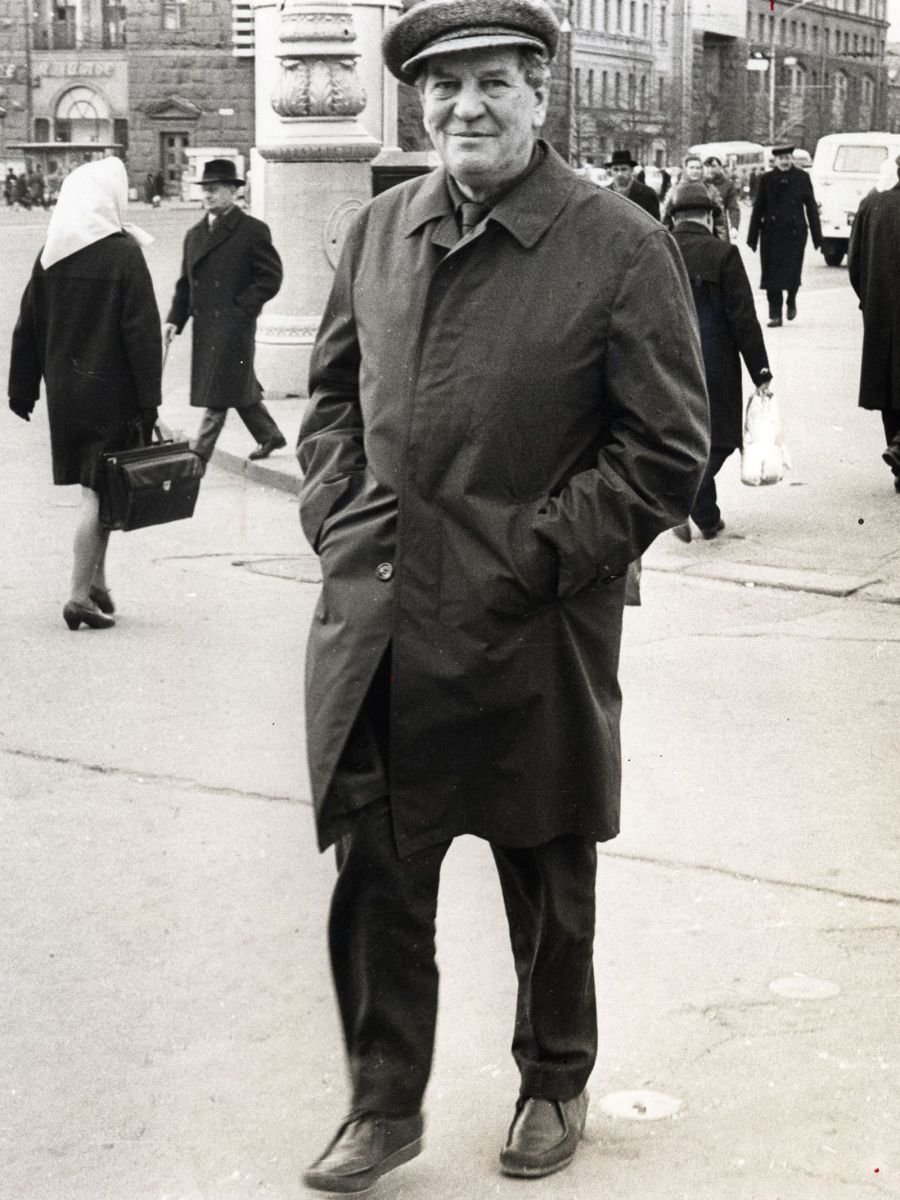
Angleton died on May 11, 1987. At his funeral, mourners heard lines from “Gerontion,” beginning with line 33. Philby died in Moscow on May 11, 1988, one year to the day later.
One more mirror: most books call him “James Jesus Angleton.” A CIA historian notes that Angleton never used that middle name himself. Even his name is a reflection other people made.
Timeline
- 1917Angleton born in Boise, Idaho.
- 1920Eliot publishes “Gerontion.”
- 1934Philby recruited by Soviet intelligence.
- 1937–1939Angleton at Yale; reads “Gerontion”; founds Furioso.
- 1943–1945OSS X-2 in London, then Rome. Meets Philby’s world.
- 1949–1951Philby in Washington; lunches with Angleton. Burgess and Maclean flee (May 1951).
- 1954Angleton becomes CIA Chief of Counterintelligence.
- 1961KGB officer Anatoliy Golitsyn defects (Part 3).
- 1963Philby escapes from Beirut to Moscow.
- 1964KGB officer Yuri Nosenko defects (Part 3).
- 1974Angleton removed by Colby; retires December 24.
- 1987Angleton dies, May 11; “Gerontion” read at his funeral.
- 1988Philby dies in Moscow, May 11.
Study questions
Your answers save in this browser. After you write an answer, you can compare it with a sample answer.