One poem,
a wilderness of mirrors
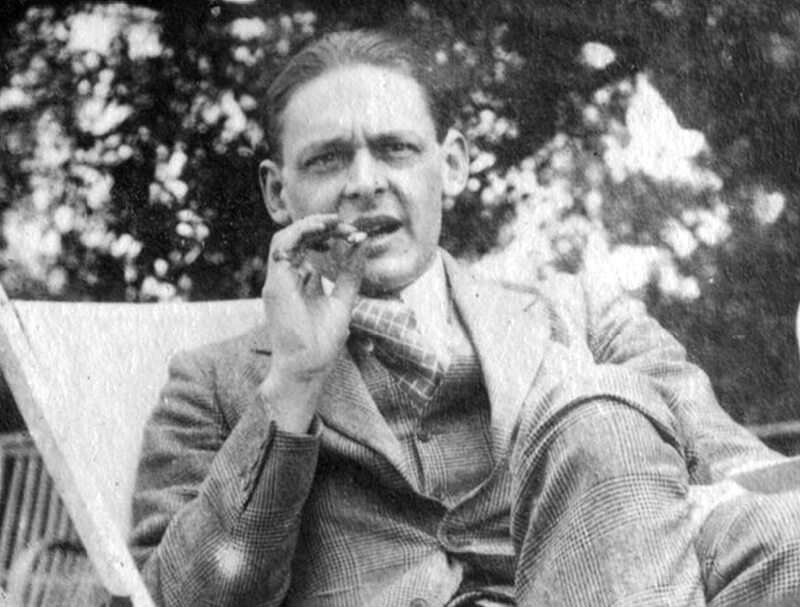
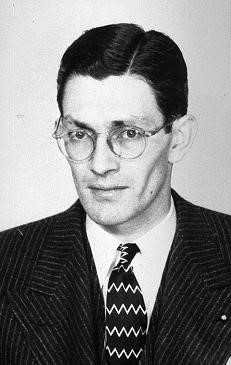
For twenty years James Angleton ran counterintelligence for the CIA: the hunt for Soviet spies inside America’s own secret service. He was a Yale English student before he was a spy, and a reader of poems all his life. His favourite was T. S. Eliot’s “Gerontion,” the monologue of an old man in a decaying house, thinking about history, betrayal and forgiveness.
Angleton used one line of it to describe his whole profession: Soviet deception was “a wilderness of mirrors,” a place where every fact might be a reflection planted by the enemy. When he died on May 11, 1987, the lines read at his funeral came from the same poem.
The British intelligence officer he had admired since wartime London, and trusted with secrets in Washington, was Kim Philby: a Soviet agent since 1934. Philby died in Moscow one year later, to the day.