Classic English Wilderness of Mirrors

One poem,
a wilderness of mirrors
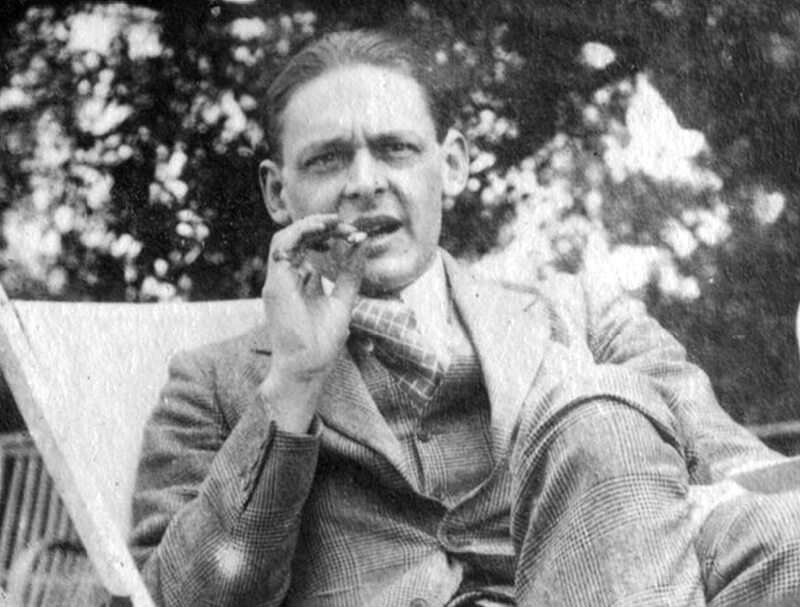
T. S. Eliot in a checked suit, sitting in a deck chair and holding a cigarette
T. S. Eliot, 1923
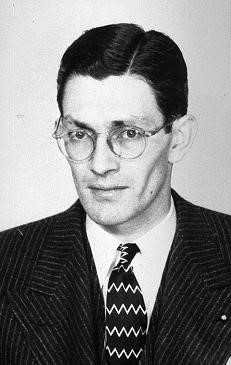
James Angleton as a young man

For twenty years James Angleton ran counterintelligence for the CIA: the hunt for Soviet spies inside America’s own secret service. He was a Yale English student before he was a spy, and a reader of poems all his life. His favourite was T. S. Eliot’s “Gerontion,” the monologue of an old man in a decaying house, thinking about history, betrayal and forgiveness.

Angleton used one line of it to describe his whole profession: Soviet deception was “a wilderness of mirrors,” a place where every fact might be a reflection planted by the enemy. When he died on May 11, 1987, the lines read at his funeral came from the same poem.

The British intelligence officer he had admired since wartime London, and trusted with secrets in Washington, was Kim Philby: a Soviet agent since 1934. Philby died in Moscow one year later, to the day.

“After such knowledge, what forgiveness?”
This lesson asks how a poem shaped the way the American Cold War spy service decided what was real.

The lesson in four parts

  1. The poem“Gerontion” (1920), all 75 lines, with tap-to-read notes on every hard word and reference.
  2. The poet-spy and his teacherAngleton and Philby, from Yale and wartime London to Washington lunches and the escape to Moscow.
  3. Two defectors, one mirrorGolitsyn and Nosenko: you judge the evidence as the CIA did, then see what happened.
  4. Reading like a spyThe Yale New Critics, ambiguity and paradox, and the big question: did poetry make Angleton better or worse at his job?

The question

A mirror shows you something that is not there. Stand between two mirrors and you see an endless line of copies, and no original. Counterintelligence works the same way: the enemy knows you are watching, so he shows you what he wants you to see, and you know he knows, and he knows you know. At some point the question stops being “how can I find out what is true?” and becomes “is there anything behind the reflections at all?”

Eliot asked that question about an old man’s mind in 1920. Angleton lived inside it from 1954 to 1974. Read the poem first. Then follow the man who could not stop reading it.