History · Populism · Four links, 2017 back to 1848
The People and the Enemy
Politicians today talk about "the people" against "the elite". Where does that way of talking come from? We start in 2017 and follow the chain backwards, one link at a time.
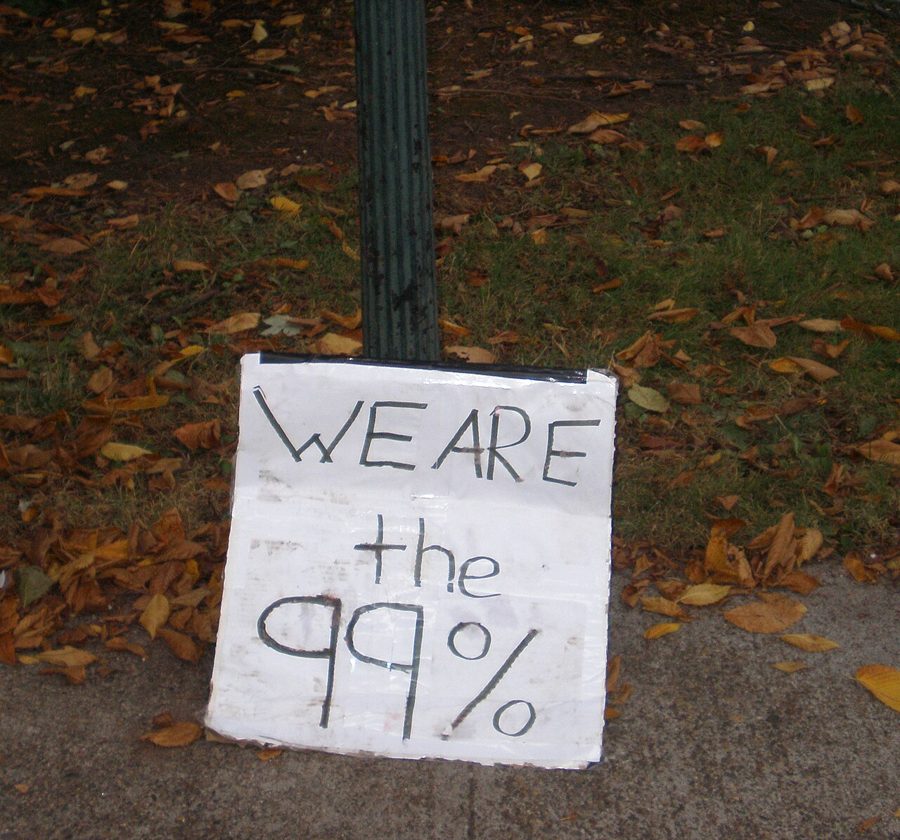
Two ideas to follow
1. The people and the enemy
Every movement in this lesson says it speaks for the people. Every one of them also names an enemy: the establishment, the billionaire class, Wall Street, the bourgeoisie. As you read, keep asking two questions. Who counts as "the people"? Who is left out?
people were governed by leaders who use populist rhetoric by 2019, up from 120 million at the turn of the millennium.
Global Populism Database (Team Populism and The Guardian), reported in The Globe and Mail
2. Doing, not declaring
Some of the strongest messages in this lesson are not statements at all. The band Laibach never said what they believed. Occupy Wall Street never said what it wanted. Their message was what they did: Laibach performed the rituals of power more seriously than the rulers did, and Occupy ran its own small society in a park.
A message that lives in action, not in words, is sometimes called praxis. Watch for the difference between what each group says and what it does.
Why go backwards?
We start with what you have heard in the news, then ask where each idea came from. Each link ends with a question that leads you to the next one.
The chain
Each link is its own page with a key idea, documents from the time, a short clip and questions. Send your answers at the end of each page.
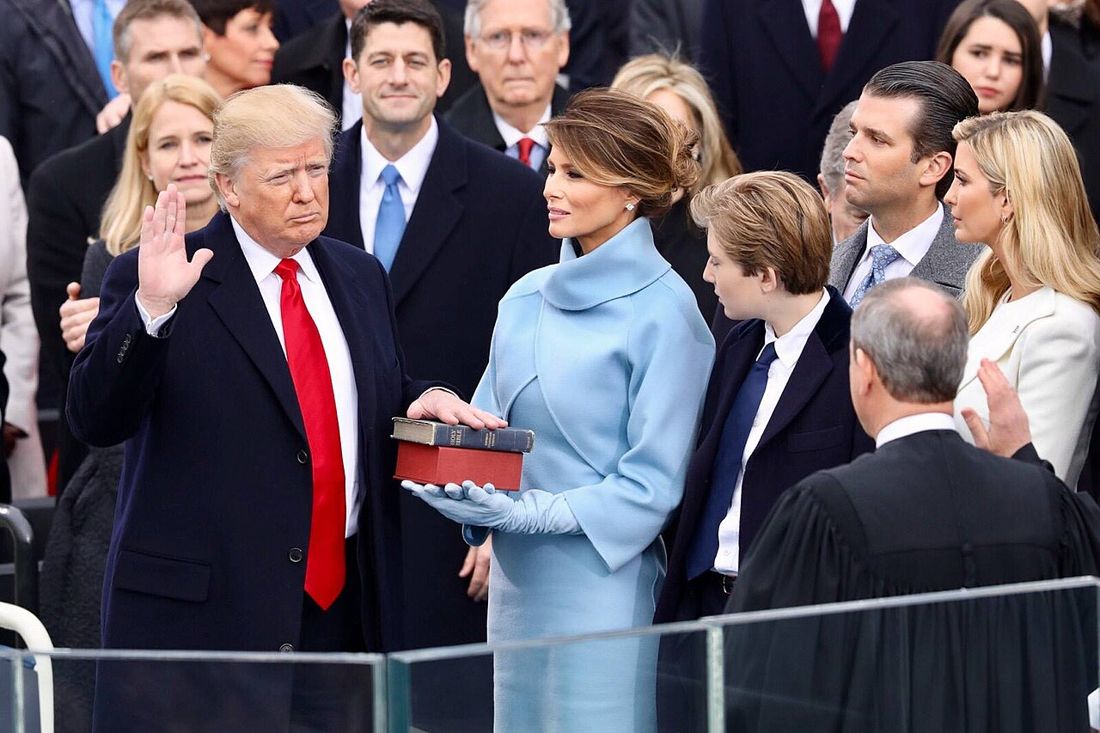 Link 1 · 2015–2017Modern populismTrump and Sanders: the people against the elite.
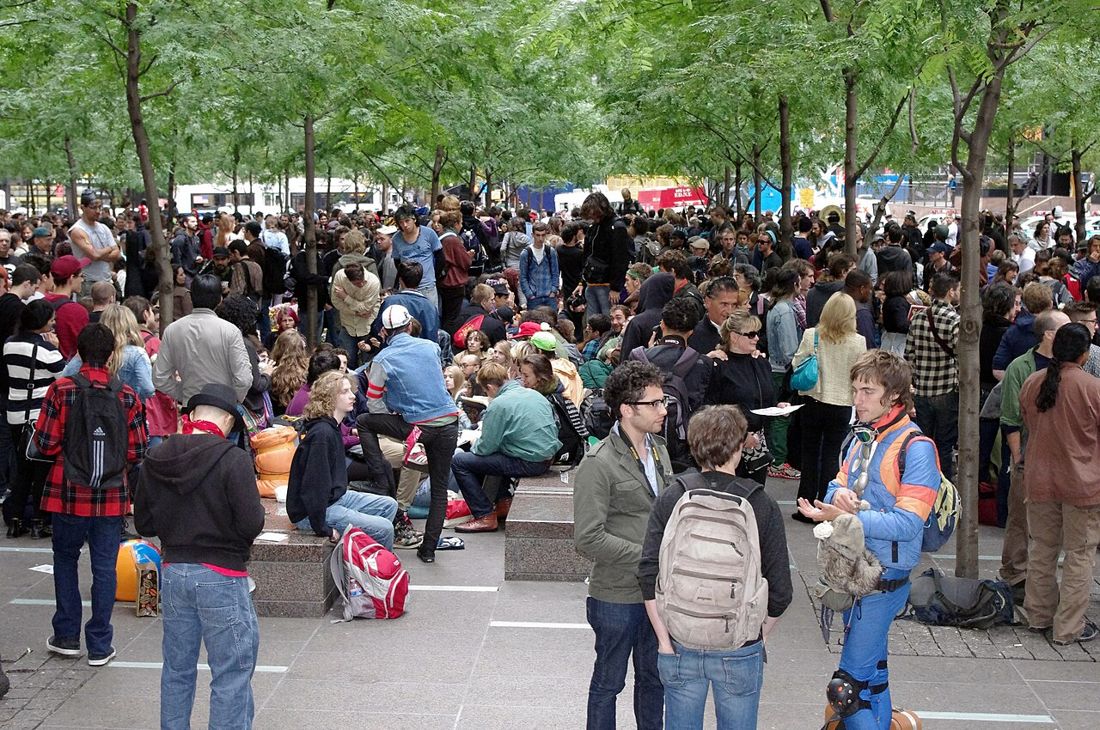 Link 2 · 2011Occupy Wall Street"We are the 99%", and a camp with no demands.
 Link 3 · 1983LaibachA band too serious for the government.
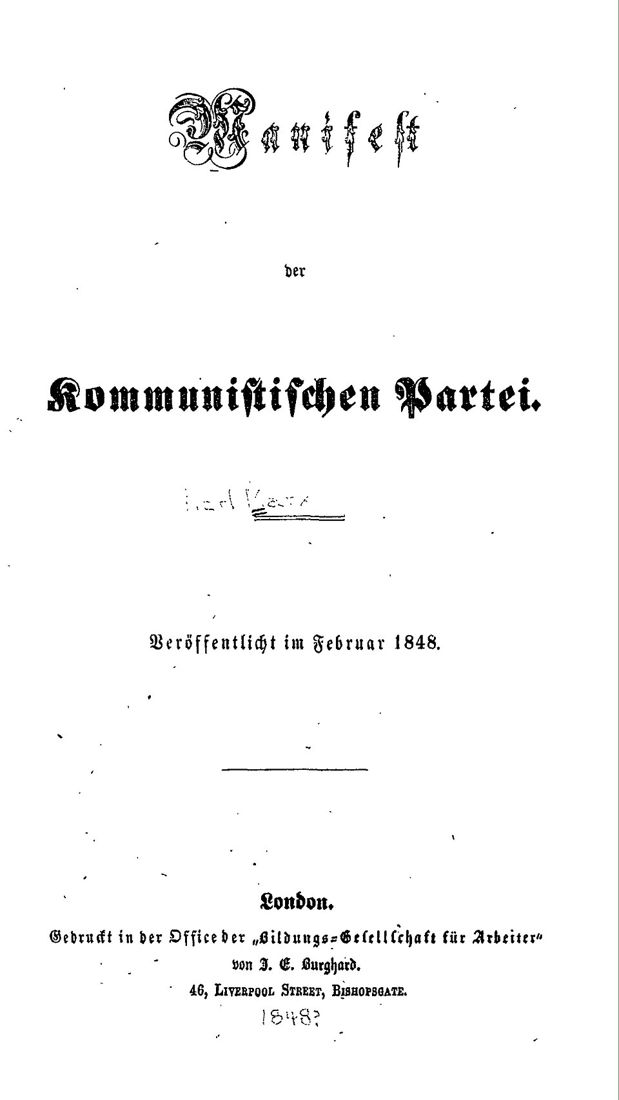 Link 4 · 1848 · 1920Communism and National Socialism"The people" and the enemy, at the start.
ClosingClosing the loopPut the chain together.
NowBack in time →
Word bank
Use these words in your answers on every page. Each answer box shows the word-bank words you have used.
politics that says ordinary people are fighting a powerful elite
Many voters were attracted by the candidate's populism.
a small group with the most power, money or skill
Only the elite could afford the private club.
the people and organizations that hold power in a society
The new mayor promised to fight the establishment.
language used to persuade, often more powerful than true
The advertisement was all rhetoric and no facts.
a complaint about something unfair
The workers sent a list of grievances to the manager.
a firm request for something
The union's main demand was a higher wage.
support between people who share a goal
The students wore red in solidarity with their teachers.
to take someone's idea or group and use it for your own purpose
The company co-opted the protest slogan for its advertising.
to take something in so that it becomes part of you
The big bank absorbed the small one.
putting an idea into action; doing it, not only talking about it
The club's praxis was simple: share the work and share the food.
saying the opposite of what you mean, often to mock
"Great weather," she said with irony, looking at the rain.
meaning exactly what you say
His apology sounded sincere.
to follow the rules or habits of a group
Students must conform to the dress code.
information, often false or one-sided, used to control what people think
The poster was wartime propaganda.
a set of beliefs about how society should work
The two parties have very different ideologies.
actions repeated in the same way, often with special meaning
Singing the anthem before the game is a ritual.
a person or group blamed for problems they did not cause
The new employee became the scapegoat for the team's mistakes.
to keep someone out
The club excluded anyone under 18.